The process of brewing beer
Brewing beer is fairly simple.
However, it requires many different steps, such as malting, milling, lautering, boiling, fermenting, filtering and packaging. Let’s take a closer look at how beer is made, and which role compressed air and nitrogen play in these processes.
It all starts with malting, which is the term used for steeping grain and then germinating as well as drying it to convert it into malt.
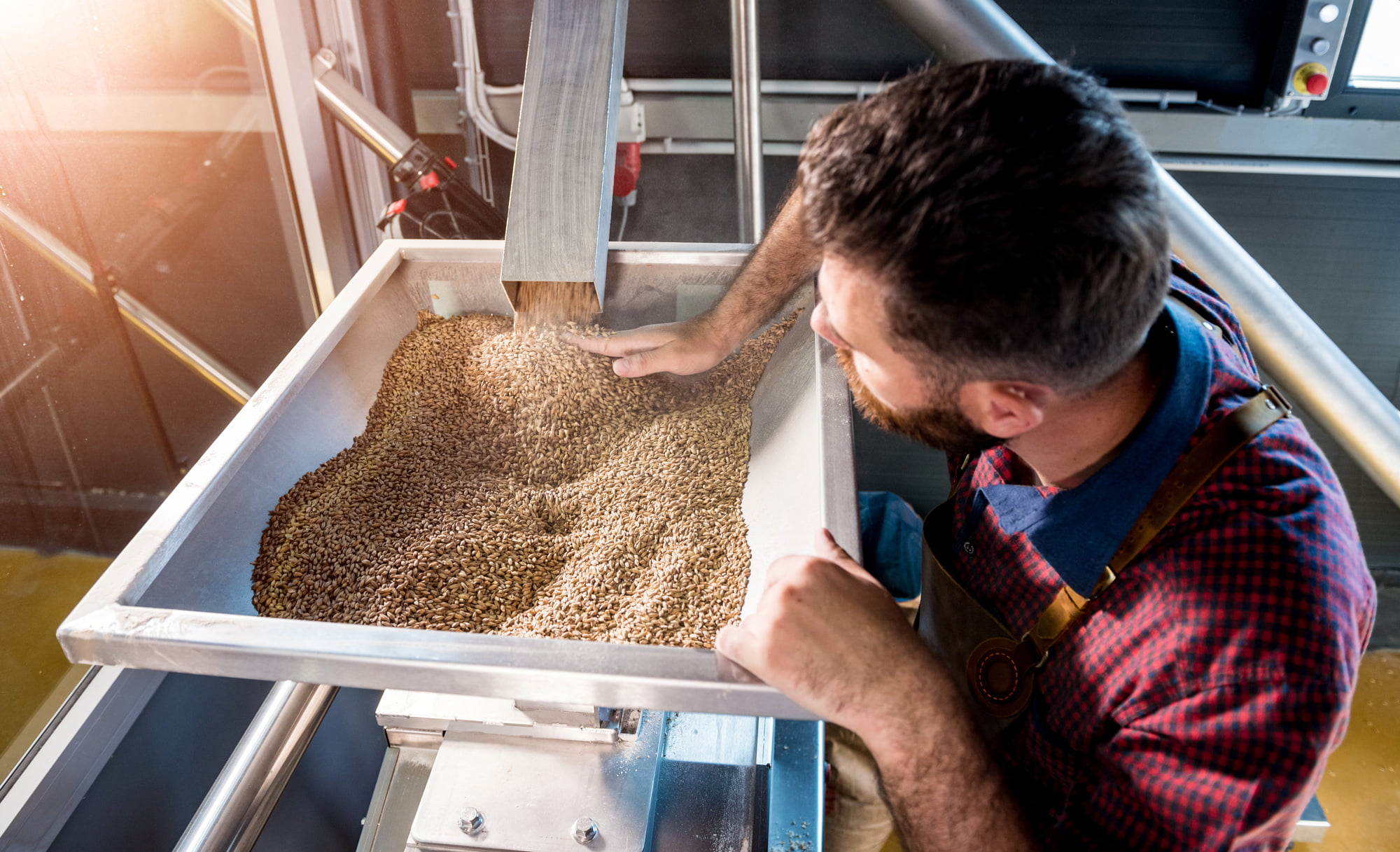
The malt kernels are then crushed into smaller pieces. The goal is to crack the outer layer of the grain and to break up the interior enough so that the mashing liquor has access to the entire grain. Different milling processes are used for this to ensure that the brewer gets the desired result.
Next up is mashing, which is what brewers call the process of mixing the crushed grains with hot water. That creates “mash,” which has a gooey consistency. Here, the malt and the other grain starches are turned into sugars and proteins. By increasing or decreasing the temperature, a brewer can control what types of sugars are produced.
Together with the sugars and proteins, other materials are made soluble. The result is a sweet, fermentable liquid referred to as the “wort.”
This wort now has to be separated from the spent grain. The sugary clear liquid that remains gives the beer its main flavor. Lautering itself can also be divided into multiple steps. First there is the mash out, which means raising the temperature of the mash. The heat reduces the viscosity of the entrained wort. That facilitates its separation from the spent grain.
Then there is recirculation, which moves the wort from the bottom of the mash to the top. Finally, there is a process referred to as sparging, which means that water is added. This allows more fermentable sugars to be extracted from the grain.
Next, the wort must be boiled. This separates the remaining hop fragments as well as other solid particles and sterilizes the beer. In addition, the length of the boil also determines how bitter the beer will be. Once that time has passed, the beer is cooled quickly to prevent it from oxidizing, which would harm its flavor.
This is the part of the process where the yeast is added. It then “eats” the sugars created earlier. This results in the expulsion of alcohol and carbon dioxide (CO2), i.e., this is where the beer gets its alcohol content and its carbonation. The fermentation duration depends on the type of beer being brewed. It may last just a few days but could also take months. To prevent the fermentation tanks from bursting, some carbon dioxide is allowed to escape at this stage to reduce the buildup of pressure.
In this step, the beer gets the final touches that give it its special character. The yeast sinks to the bottom of the tank and can be collected. To remove any remaining solids, the beer is then filtered.
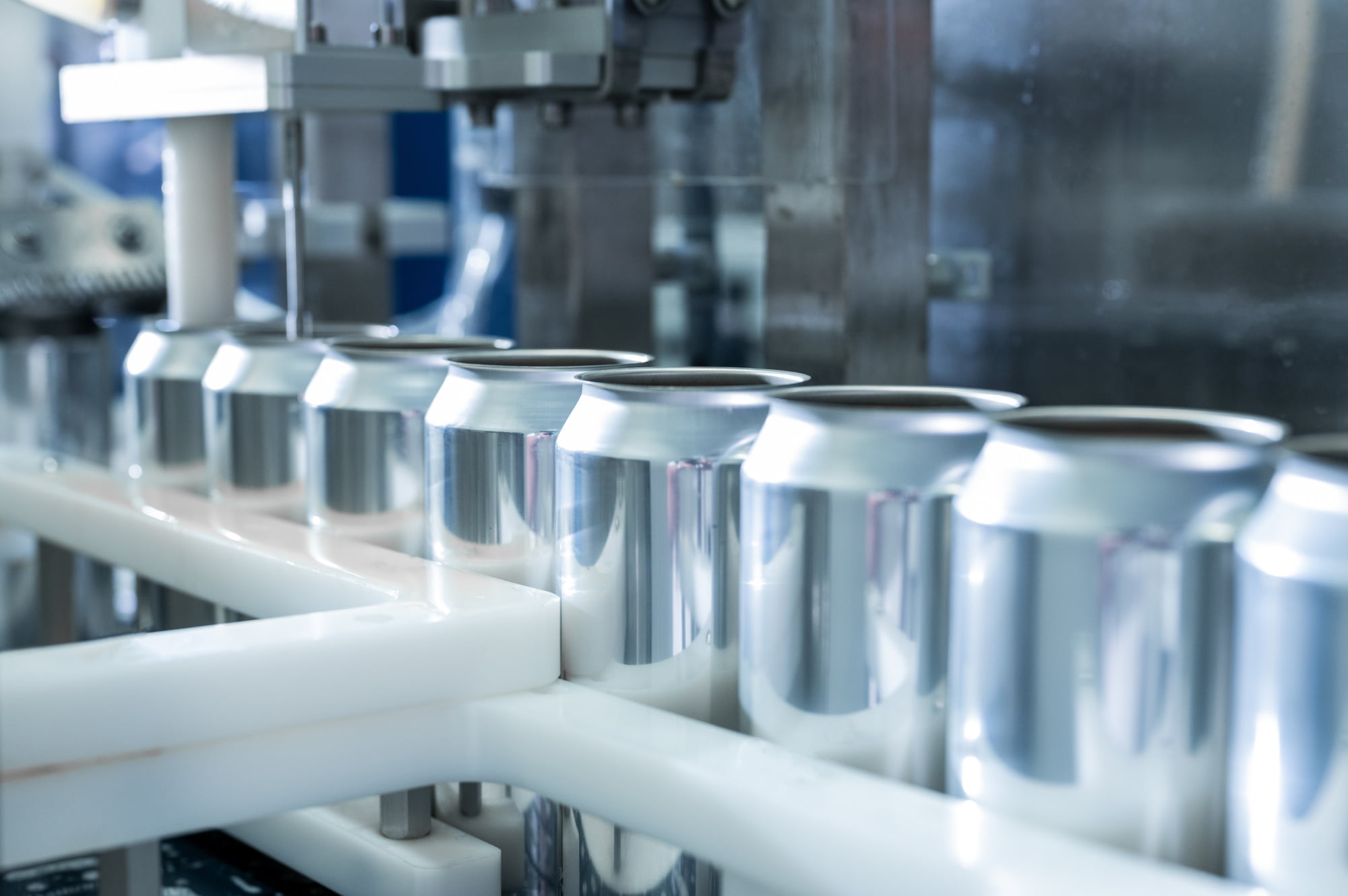
The beer is now ready to be packaged and transported. Beer comes in a large variety of containers, from cans and bottles to kegs. Many brewers carbonate their beer before packaging it to make up for the carbon dioxide that escaped during fermentation.
Contact an expert