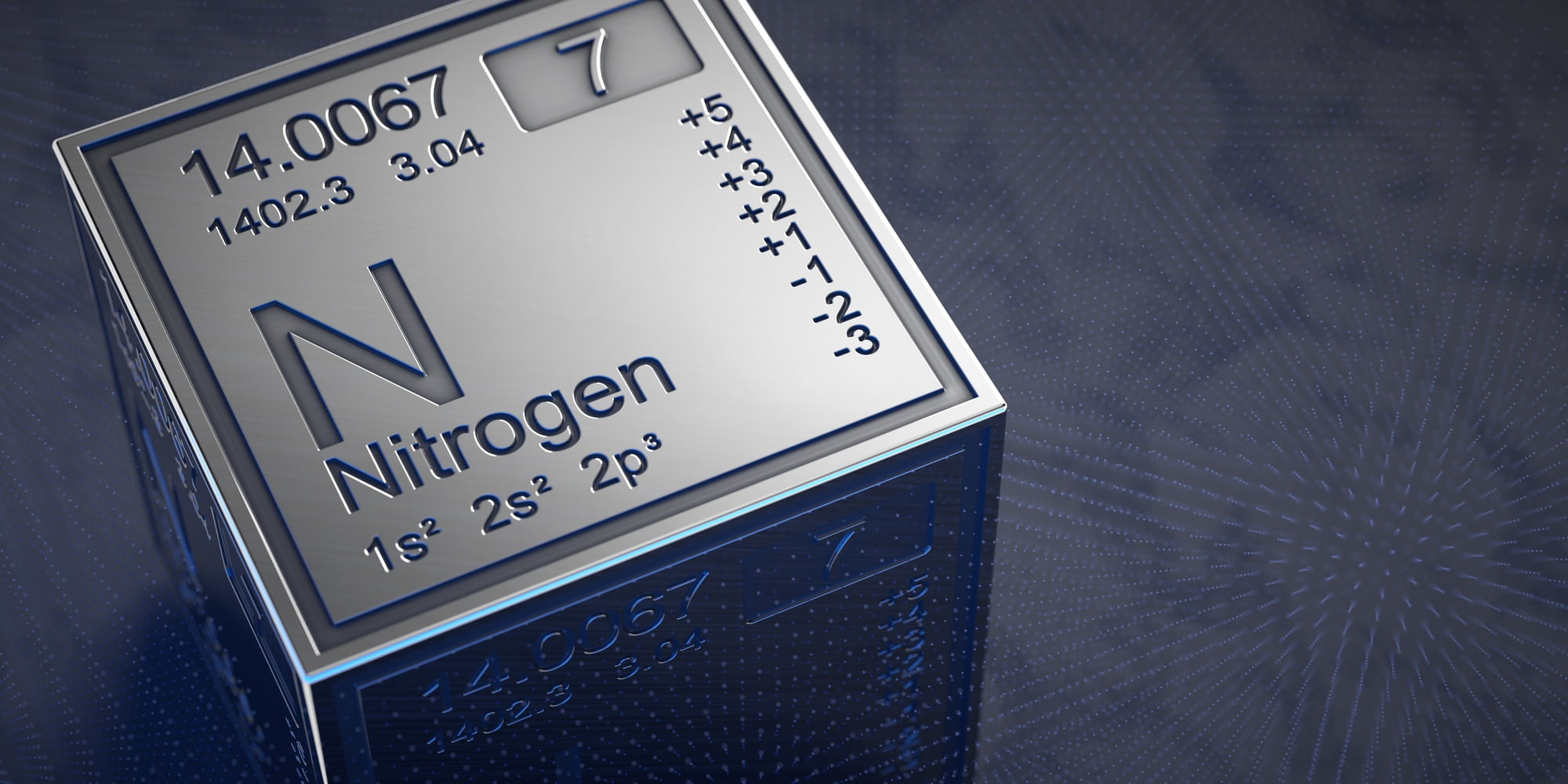
The role of nitrogen in beer brewing
N2 is used extensively throughout the beer brewing process, particularly in applications with direct contact with the product:
1. CleaningBrewery installations are cleaned often. In the fermenter vessel, for example, the yeast must be kept absolutely contaminant-free so that it can fulfill its crucial task. That is why, after steam-cleaning a tank, it is filled with an inert gas such as nitrogen. During cleaning, N2 is used to ensure the cleaning agents don’t react with ambient oxygen.
2. PumpingThe beer passes through a series of tanks to complete the brewing process. The easiest and cleanest way to pump it from one tank into another is by pressure transfer and not by a typical physical pump. N2 pushes the liquid through the lines, from one tank into another – or its final packaging – without adding oxygen to the process. Another advantage of pushing beer with N2 is that it doesn’t affect the carbonation of the beer. Pushing it with CO2 will affect the taste, as it is roughly 100 times more soluble in water than N2.
3. FermentingBecause yeast is the only element in the brewing process that benefits from oxygen, the dissolved O2 level is monitored and controlled before entering the fermenter. By purging the tank with an inert gas prior to receiving the cooled wort, the dissolved oxygen (DO) level remains the same. In addition, when this tank is emptied, the void space needs to be replaced with inert gas to prevent the decay of any residual ingredients.4. MaturingDuring this process, the beer is given time to stabilize. After fermentation, oxygen can negatively impact the taste and stability of the beer. That is why the maturing tank is purged with nitrogen first before filling it. An inert gas blanket is also used to keep out any O2 during maturation and emptying of the tank.
5. CarbonationA carbonation stone is placed in the maturing tank, which is used to divide a constant gas stream into many tiny bubbles that dissolve in the beer before they reach the surface. Increasing the carbonation level with nitrogen improves the beer’s taste, flavor, aroma and appearance. 6. PackagingTo increase the shelf life and preserve quality, O2 is expelled from cans and bottles by purging them with an inert gas right before and/or after filling. To prevent air from sneaking in, kegs are purged and prefilled with an inert gas such as nitrogen after cleaning.
7. DispensingAn inert gas such as N2 is used as a propellant to push the beer from the keg to the bar tap. It also helps with head retention after pouring.
Both inert gases, Nitrogen (N2) and CO2 can be used throughout the beer brewing process. However, nitrogen has distinct advantages over CO2:
Cost Savings: CO2 is more expensive than N2 and experiences more price fluctuations because of its various (and not always predictable) sources, including recovery from chemical processes at ethanol and ammonia plants. This makes it vulnerable to local or global shortages. In recent years, the price of CO2 has multiplied in many parts of the world.
Product quality: At 1700 mg/L, CO2 is roughly 100 times more soluble in water than the N2. This means nitrogen can be used for beer without disturbing its CO2 balance.
Process quality: CO2 reacts with more substances than N2 and it can have a corrosive effect in the presence of moisture.
Efficiency: Nitrogen is lighter than air, which means less N2 gas is needed for inerting.
Safety: Because of its lower density, N2 will rise and will not settle at low levels (floor, cellar, …) like CO2 does.
Sustainability: Unlike N2, CO2 is a greenhouse gas, which increases a microbrewery’s environmental footprint. In addition, stringent CO2 disposal regulations often apply.
Purity: Beverage-grade CO2 typically has a purity of 99.9%. This means 0.1% contains other substances that come from chemical processes, such as benzene, acetaldehyde and other hydrocarbons. A concentration of 0.1% is roughly 5 times higher than the amount of flavor-adding hops, which means quality and taste stability can be compromised when using CO2. N2 with a purity of 99.9% there also has a residual 0.1%, but it contains only air gases and no chemicals.
How a brewery gets its nitrogen can make a big difference to its operation and its bottom line. Traditionally, many breweries purchased their N2 from vendors. More recently, on-site generation of the gas has become more popular. With good reason. On-site nitrogen generation has many benefits. Here you will find the six most important ones.
While a generator requires an initial investment, it is much cheaper to produce nitrogen on site than to purchase it. That means the investment will quickly be recouped.
Purchasing nitrogen from a vendor means having to worry about ordering the gas, storing it, replacing used cylinders, etc. All of these tasks also require additional manpower that is better used elsewhere.
Purchased nitrogen has an extremely high purity. That is one of the reasons why it has an very high cost. But most applications do not require anything near that purity. With an on-site generator, you get to set the N2 purity you actually need.
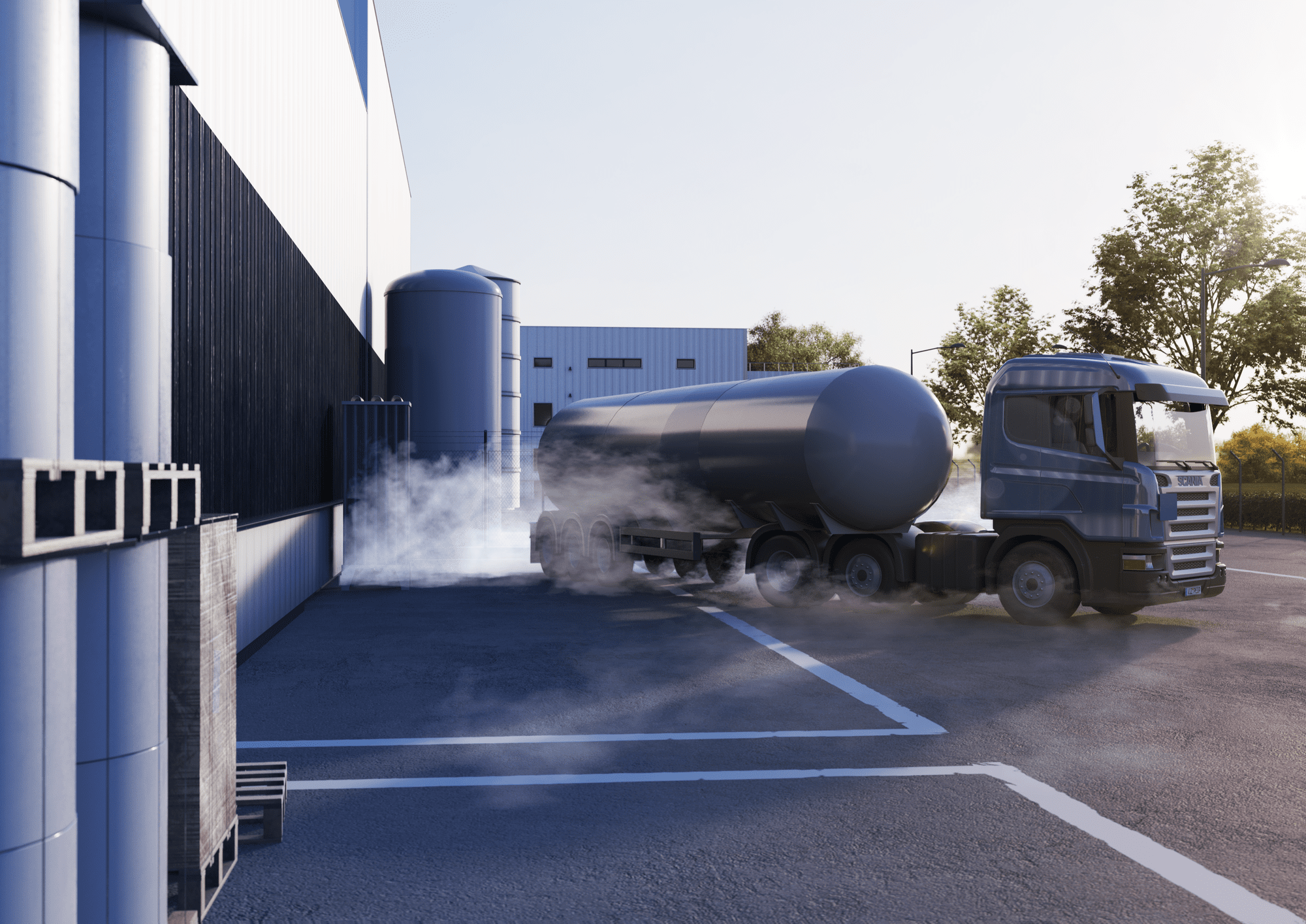
The bulky cylinders in which purchased nitrogen is supplied pose a real safety hazard. They are very heavy and highly pressurized, which means that an accident can have devastating consequences. This is not something you have to worry about with on-site generation.
Curbing transportation emissions can help breweries lower their environmental footprint. An easy first step is to eliminate deliveries of purchased nitrogen.
Are you looking to expand? Then on-site nitrogen generation makes it much easier to meet your higher demand.
Contact an expert
Sustainability has become a top production priority. It is imperative that, collectively, we use less energy and become greener.
Energy efficiency and the associated reduction in carbon-based emissions plays a major role in that. Not only because customers demand it, and not even because governments mandate it, but because we owe it to future generations.
For microbreweries, it is also an issue of viability. A changing climate might threaten the supply of barley, and water is expected to become a more precious resource.
Many breweries are already doing their part, for example by switching to alternative sources of energy, or taking advantage of carbon capture technologies.
For smaller breweries, these would constitute significant investments, so there are other things you can do. One of them is to reduce the energy you consume. This is especially important when it comes to the generation of nitrogen because it relies on compressed air… and, unfortunately, an inefficient compressor consumes a lot of energy.
But, where a lot of energy is consumed, a lot of energy can be saved, and modern technologies ensure that this is also the case here.
An efficient compressor can not only boost your bottom line but also make sure that you are doing your part for a better, greener world.
And here is another tip on how you can become more sustainable: Compressing air produces a lot of waste heat. However, instead of letting it disappear into thin are, you can capture that hot air and use it as process heat.